Category: Uncategorized

  • Mental Well-Being and Emotional Stability

    Mental Well-Being and Emotional Stability

    A practical guide to building inner balance and strength

    Introduction

    In today’s demanding world, we focus heavily on career, responsibilities, and external success. Yet one essential area often receives less attention, our mental well-being.

    Mental well-being and emotional stability are not about constant happiness. They are about balance. They help you think clearly, respond wisely, and stay steady during both success and difficulty. When your mind is stable, your decisions improve, your relationships become healthier, and your confidence grows naturally.

    This blog explores why mental well-being matters, how emotional stability shows up in daily life, and practical ways to strengthen your mental and emotional health.

    1. Understanding Mental Well-Being

    Mental well-being refers to a healthy state of mind where you:

    • Think clearly
    • Manage stress effectively
    • Make balanced decisions
    • Maintain positive relationships
    • Adapt to change

    It is not the absence of problems. It is the ability to handle problems with maturity and control.


    2. Why Mental Well-Being Is Important

    Your mental state influences every part of your life.

    A. Better Decision-Making

    When your mind is calm, you make rational decisions instead of emotional reactions.

    B. Stronger Relationships

    Stable emotions help you communicate respectfully and avoid unnecessary conflict.

    C. Improved Productivity

    A clear mind improves focus, efficiency, and creativity.

    D. Greater Resilience

    You recover faster from setbacks and disappointments.

    Without mental balance:

    • Small challenges feel overwhelming.
    • Mood swings become frequent.
    • Overthinking increases.
    • Motivation decreases.
    • Mental well-being is the foundation of personal and professional growth.

    3. Understanding Emotional Stability

    Emotional stability means experiencing emotions without losing control over them.

    It does not mean suppressing feelings. It means responding thoughtfully instead of reacting impulsively.

    Signs of Emotional Stability

    • You remain calm under pressure.
    • You take responsibility for your actions.
    • You accept criticism without feeling attacked.
    • You recover from disappointment without holding grudges.
    • You do not rely entirely on others for validation.

    Signs That Emotional Stability Needs Attention

    • Frequent mood changes.
    • Intense reactions to small issues.
    • Difficulty managing anger or frustration.
    • Constant self-doubt or insecurity.
    • Avoidance of uncomfortable situations.
    • Emotional stability develops over time through awareness and practice.

    4. Factors That Affect Mental and Emotional Health

    Several factors influence your mental state:

    A. Physical Health

    Poor sleep, unhealthy diet, and lack of exercise directly affect your mood and clarity.

    B. Environment

    Toxic environments, negative people, or constant comparison can drain mental energy.

    C. Unresolved Emotions

    Ignoring emotions often leads to stress buildup and emotional imbalance.

    D. Digital Overload

    Excessive social media and screen time increase anxiety and comparison.

    Recognizing these factors helps you take corrective action.\


    5. Practical Ways to Improve Your Current State of Mind

    Improvement does not require dramatic change. It requires consistent effort.

    A. Strengthen Physical Foundations

    • Maintain regular sleep (7–8 hours).
    • Stay hydrated.
    • Include daily physical movement.
    • Physical care supports mental clarity.

    B. Practice Emotional Regulation

    Before reacting:

    • Pause.
    • Take three slow breaths.
    • Think about the long-term impact of your response.
    • This habit reduces regret and emotional damage.

    C. Journal for Mental Clarity

    Writing helps you:

    • Organize your thoughts.
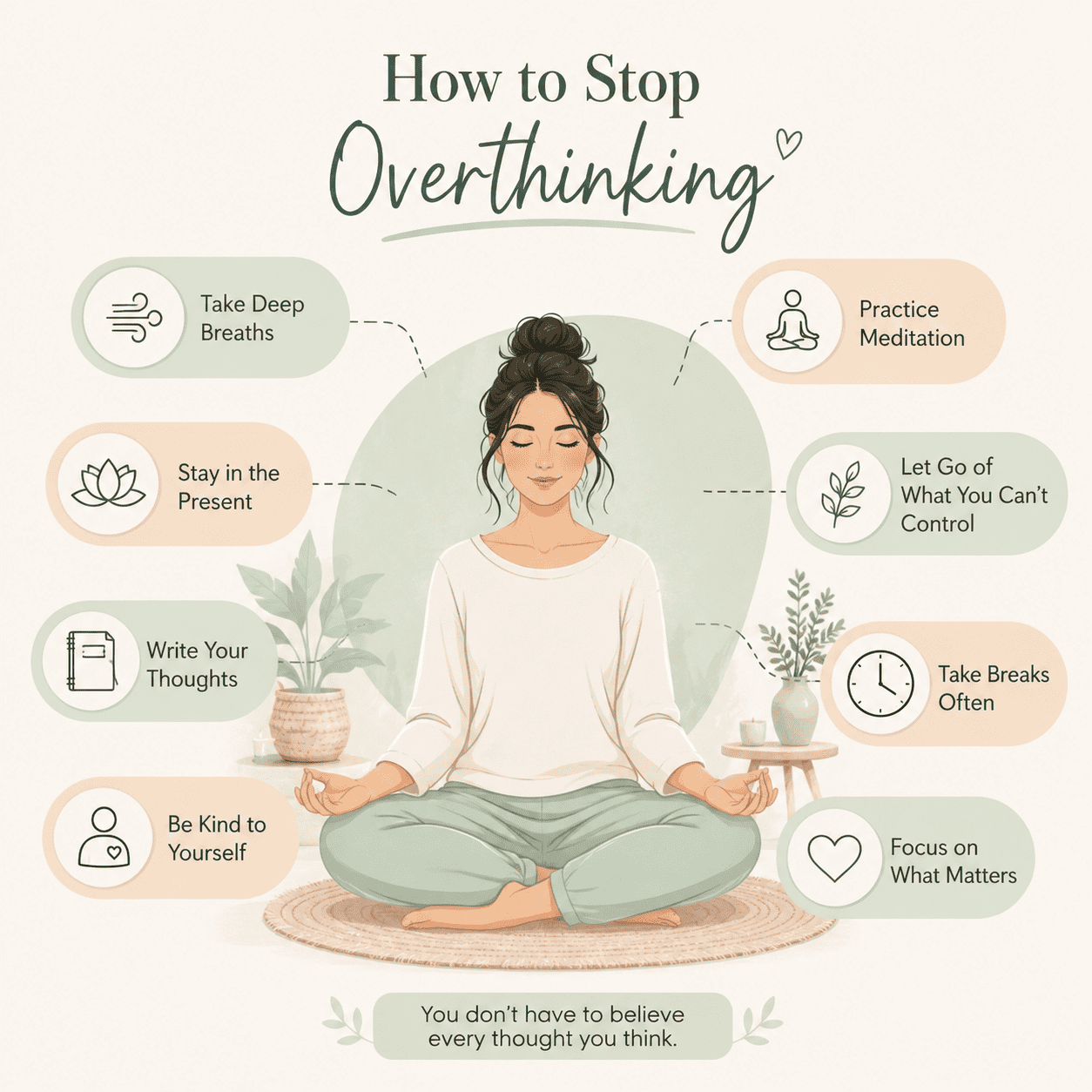
    • Reduce overthinking.
    • Identify patterns in your behavior.
    • It creates emotional awareness.

    D. Reduce Negative Inputs

    • Limit exposure to negative news.
    • Avoid constant comparison.
    • Choose meaningful conversations over draining ones.
    • Protect your mental space deliberately.

    6. Strategies to Enhance Mental and Emotional Health

    Beyond fixing stress, focus on building internal strength.

    A. Build Emotional Awareness

    Learn to clearly identify what you feel:

    • Sadness
    • Anger
    • Fear
    • Jealousy
    • Frustration
    • Naming emotions reduces their intensity.

    B. Set Healthy Boundaries

    Protect your energy by:

    • Saying no when necessary.
    • Taking breaks without guilt.
    • Avoiding unnecessary arguments.
    • Healthy boundaries support emotional balance.

    C. Strengthen Support Systems

    Human connection is essential. Trusted relationships improve resilience. Researchers like Brené Brown highlight the importance of connection and vulnerability in building emotional strength.

    Seeking support when needed is responsible, not weak.

    D. Practice Gratitude and Reflection

    Each day:

    • Acknowledge one lesson learned.
    • Identify three things you appreciate.

    This trains your mind to focus on growth instead of problems.

    E. Accept Imperfection

    Growth is not linear. Some days will feel productive. Some days will feel heavy. Both are part of emotional development.


    7. A Simple Daily Mental Wellness Routine

    Morning:

    • Deep breathing for two minutes.
    • Set one clear intention for the day.

    Afternoon:

    • Take a short walk.
    • Drink water regularly.
    • Check your emotional state briefly.

    Evening:

    • Reflect on one learning from the day.
    • Write three gratitude points.
    • Maintain a consistent sleep schedule.
    • Consistency creates stability.

    Summary

    Mental well-being and emotional stability are essential for a balanced life. They influence your thoughts, decisions, relationships, and resilience.

    To strengthen them:

    • Build self-awareness.
    • Practice emotional control.
    • Set boundaries.
    • Maintain healthy habits.
    • Seek support when needed.

    You do not need perfection. You need progress. Small daily improvements lead to lasting emotional strength.


    Frequently Asked Questions (FAQs)

    1.  Is emotional instability normal at times?

    Yes. Temporary emotional imbalance is normal. Long-term instability requires attention and support.

    1.  How long does it take to improve mental well-being?

    With consistent habits, improvements can be noticed within weeks. Deep emotional healing may take longer.

    1. When should professional help be considered?

    If emotional distress affects daily functioning, relationships, or sleep, professional guidance is recommended.

    1.  Can overthinking affect emotional stability?

    Yes. Overthinking increases stress and anxiety. Structured thinking and journaling help reduce it.

    1.  What is the most important starting point?

    Self-awareness. Once you recognize patterns in your thoughts and emotions, meaningful change becomes possible. Mental well-being is not a one-time achievement. It is a continuous practice of awareness, discipline, and self-care


  • Guided Meditation for Spiritual Awakening

    Guided Meditation for Spiritual Awakening

    Introduction

    What if the key to feeling calm, clear, and spiritually connected was already inside you?

    Most of us search for peace in books, advice, or distractions. But the truth is simple: peace often begins with your breath.

    When life becomes stressful, our breathing becomes fast and shallow. This can increase anxiety, anger, and emotional tension. But when we slow down our breath, our body and mind begin to relax.

    This is why many people practice guided meditation for spiritual awakening. It helps you pause, breathe deeply, and reconnect with your inner self.

    The best part is that you don’t need special tools, a quiet retreat, or years of experience. Simple breathing practices can become powerful daily relaxation techniques that support your mental, emotional, and spiritual well-being.


    What Is Guided Meditation for Spiritual Awakening?

    Guided meditation for spiritual awakening is a practice where you follow simple steps to relax your body, breathe slowly, and calm your mind.

    It helps you:

    • Release stress and tension
    • Improve focus and awareness.
    • Feel more connected to your inner self.

    Many people practice breathwork for relaxation because breathing is natural and easy to do anywhere.

    When done daily, meditation becomes one of the most helpful daily relaxation techniques for mental and emotional balance.


    Why Deep Breathing Helps the Mind

    Deep breathing sends a signal to your brain that you are safe and calm. Your heart rate slows down, and your muscles relax.

    This is why deep breathing for stress relief works so well.

    It can support:

    • Deep breathing for anxiety
    • Managing anxiety and deep breathing
    • Deep breathing for anger
    • Emotional balance and calm thinking

    Even a short 10-minute deep breathing exercise can help you feel more relaxed and focused.


    Simple Breathing Exercises for Stress

    You don’t need special skills or equipment to start meditation. These simple breathing exercises for stress are easy for beginners.

    1. Slow Belly Breathing

    • Sit comfortably with your back straight.
    • Place one hand on your stomach.
    • Breathe in slowly through your nose.
    • Feel your stomach rise as you breathe in.
    • Breathe out slowly through your mouth.

    Repeat for 5–10 minutes.

    This exercise helps with deep breathing for anxiety and improves emotional calm.


    2. 5 Senses Relaxation Method

    The 5-senses relaxation method helps bring your mind back to the present moment.

    Notice:

    • 5 things you can see
    • 4 things you can touch
    • 3 things you can hear
    • 2 things you can smell
    • 1 thing you can taste

    Practice this while breathing slowly. It works well as a spiritual grounding meditation technique.


    3. Morning Breathing Practice

    Starting your day with calm breathing can improve focus and mood.

    Steps:

    • Sit quietly for a few minutes
    • Take a slow, deep breath.
    • Think about one positive goal for the day

    These breathing exercises to start the day help your mind feel clear and balanced.


    Breathing as a Spiritual Practice

    Many spiritual traditions teach that breath connects the body, mind, and spirit.

    Practicing breathing as a spiritual practice helps you:

    • Become more aware of your thoughts
    • Stay calm during difficult moments.
    • Build inner peace and patience.

    Because of this, breathing meditation is often part of basic spiritual disciplines like mindfulness, prayer, and meditation.


    Breathing Exercises for Emotional Release

    Strong emotions like anger, sadness, and stress can be stored in the body. Slow breathing helps release this tension.

    Helpful practices include:

    • Slow inhale and long exhale breathing
    • Quiet meditation with calm music
    • Relaxing the body while breathing deeply

    These breathing exercises for emotional release help the body relax and the mind feel lighter.

    They are also considered one of the best stress meditation practices when done regularly.


    Breathwork for Sleep and Relaxation

    Many people have trouble sleeping because their mind keeps thinking about problems or worries.

    Practicing easy meditation for sleep helps the body relax before bedtime.

    Try this simple method:

    1. Lie down comfortably.
    2. Take slow, deep breaths.
    3. Count each breath from 1 to 10.
    4. Repeat until your body feels relaxed.

    This type of breathwork for relaxation helps calm the nervous system and improve sleep quality.


    Breathing and Physical Health

    Breathing exercises are helpful not only for mental peace but also for physical health.

    Benefits include:

    • Better oxygen flow in the body
    • Improved lung strength
    • Better focus during workouts

    Many people practice breathing exercises for fitness and combine breathing exercises with yoga, stretching, or walking.

    You can also try simple exercises to help with deep breathing, such as:

    • Gentle stretching
    • Slow walking meditation
    • Light yoga poses

    These activities help open the chest and improve breathing capacity.


    A Simple 10 Minute Guided Meditation

    You can try this 10-minute deep breathing exercise anytime you need calm and clarity.

    • Minute 1–2
      Sit comfortably and close your eyes.
    • Minute 3–5
      Take slow, deep breaths. Inhale through the nose and exhale through the mouth.
    • Minute 6–8
      Focus only on your breathing. If thoughts appear, gently bring your attention back to your breath.
    • Minute 9–10
      Think about one thing you feel grateful for.

    Open your eyes slowly and notice the calm feeling in your body.


    Summary

    Guided meditation and breathing exercises are simple habits that can improve your mental, emotional, and spiritual health. The key is to practice them regularly in small and easy ways.

    1. Start Your Day with Calm Breathing

    Begin your morning with breathing exercises to start the day. Just 5–10 minutes of slow breathing can clear your mind and prepare you for the day ahead.

    2. Use Deep Breathing During Stress

    Whenever you feel overwhelmed, practice deep breathing for stress relief. Slow breaths help calm anxiety, reduce anger, and relax your body.

    3. Practice Short Meditation Daily

    Try a 10-minute deep breathing exercise or short guided meditation each day. Regular practice makes meditation easier and more effective.

    4. Use Breathwork for Emotional Balance

    When strong emotions appear, use breathing exercises for emotional release to calm your thoughts and regain control.

    5. Relax Your Mind Before Sleep

    If you struggle with sleep, practice easy meditation for sleep. Slow breathing helps your body relax and improves sleep quality.

    By turning breathing into a daily habit, you build a strong foundation for peace, clarity, and spiritual growth. Over time, these small practices can lead to a deeper sense of awareness and true spiritual awakening.


    Frequently Asked Questions (FAQs)

    1. How long should I practice guided meditation?

    Beginners can start with 5–10 minutes daily. A 10-minute deep breathing exercise is enough to calm the mind and body.

    2. Can deep breathing help reduce anxiety?

    Yes. Deep breathing for anxiety slows the body’s stress response and helps your mind feel more relaxed.

    3. Is breathing meditation good for beginners?

    Yes. Simple breathing meditation is one of the easiest and most effective relaxation techniques.

    4. Can breathing exercises help with anger?

    Yes. Deep breathing for anger helps control emotional reactions and allows you to respond more calmly.

    5. When is the best time to practice meditation?

    You can meditate anytime, but many people prefer morning meditation or practicing easy meditation for sleep before bedtime.


  • The Four Gateways to Hell: The Inner Enemies of Peace

    The Four Gateways to Hell: The Inner Enemies of Peace

    Hell is not a burning pit beneath the earth; it’s a storm that rages within the mind. Every time we are consumed by anger, greed, lust, or attachment, we step a little further away from our essence. The ancient texts called these the Four Gateways to Hell: Kama (Desire), Krodha (Anger), Lobha (Greed), and Moha (Delusion). They are not sins to be punished but forces to be understood, teachers that show us where we still need to grow.

    1. Kama, or uncontrolled desire, begins subtly. It starts with a thought, a wish, a craving for something more—more wealth, more attention, more pleasure. Desire in itself is not wrong; it drives creation. But when it begins to own us, when it pulls us into choices that go against our values, we lose our balance. True mastery lies not in suppressing desires but in transforming them, turning the desire to possess into the desire to grow.

    2. Krodha, anger, is perhaps the most visible of all. It rises like fire, blinding the mind, and burns everything in its path. Yet beneath anger always lies hurt — an unmet need or an unhealed wound. The moment we pause and witness it instead of reacting, it starts to dissolve. The practice is not to never get angry, but to never let anger make the decisions for us.

    Lobha, greed, is the hunger that never ends. It makes us believe that happiness lies just one step away — one more deal, one more follower, one more success. But greed is a mirage; the more we chase, the farther contentment moves. The antidote to greed is gratitude — the quiet realization that what you already have is enough, and has always been.

    Moha, delusion or attachment, is the most subtle of all. It is the fog that makes us mistake temporary things for eternal ones. We attach to people, roles, beliefs, even pain. The more we cling, the more we suffer. Detachment doesn’t mean indifference — it means loving fully, but knowing nothing truly belongs to us.

    Each time you overcome even one of these four — you reclaim a piece of your peace. Awareness is the sword that cuts through all illusions. The gateways to hell are not punishments; they are mirrors. And the moment you see clearly what they reflect, you step through them — not into darkness, but into freedom.

  • The Hidden Habits That Block Your Energy and Growth

    The Hidden Habits That Block Your Energy and Growth

    We often wonder why, despite all our efforts, peace feels out of reach. We meditate, read, achieve, and still sense a quiet disconnection as if something unseen keeps dulling our energy. The truth is, our outer lives are often shaped by the smallest inner habits. These habits may not seem destructive on the surface, but over time, they quietly cloud our awareness and weigh down our spirit.

    Substance use, whether it’s cigarettes, alcohol, or recreational drugs, often begins as a way to escape pain or tension. But every escape weakens our inner presence. When the mind depends on something external for calm, it forgets how to rest within itself. The goal is not to shame or forbid, but to awaken awareness — to ask, “What am I trying not to feel?” Once we face that question honestly, the need to numb disappears on its own.

    1. Food, too, plays an energetic role. What we eat becomes part of who we are, not just physically, but emotionally. A diet centered around awareness brings clarity, while one rooted in indulgence brings dullness. It’s not about strict rules or guilt, but mindfulness: eating with gratitude, choosing what uplifts rather than what sedates.

    2. Gambling, overindulgence, or compulsive consumption often come from an inner restlessness — the need for thrill, control, or recognition. But peace and addiction cannot coexist. When we constantly chase stimulation, our ability to feel content fades. The mind becomes addicted to highs and terrified of silence.

    Integrity, on the other hand, is the purest energy purifier. A single act of dishonesty creates more chaos within than a hundred mistakes made in honesty. When we lie — emotionally, financially, or socially — we fracture our own peace. Transparency restores alignment. Living ethically isn’t about following rules; it’s about staying in harmony with your own conscience.

    So much of our suffering is self-created — built from patterns we repeat unconsciously. The first step is not to fight them, but to see them. Awareness itself begins to dissolve what is false. Every habit, when met with understanding instead of shame, slowly transforms into wisdom. And as the clouds clear, what remains is your natural state — light, free, and unburdened.

  • The Inner Compass: Six Pillars of Inner Happiness and Peace

    The Inner Compass: Six Pillars of Inner Happiness and Peace

    Most of us spend our lives chasing happiness, a better job, a perfect relationship, a dream home, or a few kind words. But deep inside, we know these things don’t last. The peace we’re looking for doesn’t come from outside. It grows within us when we start connecting with our true self.

    Happiness isn’t about avoiding pain. It’s about staying steady through it. Real happiness comes when your mind stops expecting life to go your way.

    It’s not about having a perfect life; it’s about being at peace even when things aren’t perfect. It’s that quiet voice that says, “This moment is enough.”

    1. Freedom is the next step. Most of us are tied down not by real chains, but by invisible ones: what society thinks, what family expects, and what others might say. True freedom isn’t about breaking rules. It’s about living by your truth without needing anyone’s approval. It’s waking up and feeling light because you’re finally being yourself.

    2. Forgiveness is another form of freedom. Holding on to anger only hurts you. It’s like holding a burning coal and expecting the other person to get burned. When you forgive, you don’t say what happened was okay; you simply choose peace over pain. Forgiveness is strength, not weakness. It says, “You no longer control my peace.”

    3. Balance, or inner alignment, happens when your mind, body, and soul move together. Most inner struggles start when what we think, say, and do don’t match. When you start thinking kindly, speaking truthfully, and acting consciously, life feels lighter. No outer chaos can disturb your inner calm.

    4. Love is the highest energy of all. We often limit it to family, friends, or partners. But real love is unconditional; it goes beyond people and situations. It’s compassion for all beings, even those who hurt us. When love grows, the feeling of separation disappears.

    5. And finally, there’s peace, the crown of all virtues. Peace isn’t about silence or escape. It’s the calm that stays even in chaos. The more you grow in happiness, freedom, forgiveness, balance, and love, the more peace becomes your natural state.

    Take a moment and reflect on these six pillars: happiness, freedom, forgiveness, balance, love, and peace. Don’t judge yourself; just observe. Growth starts with awareness, not perfection.

    Because the truth is happiness was never lost. It was only hidden under the noise of life.